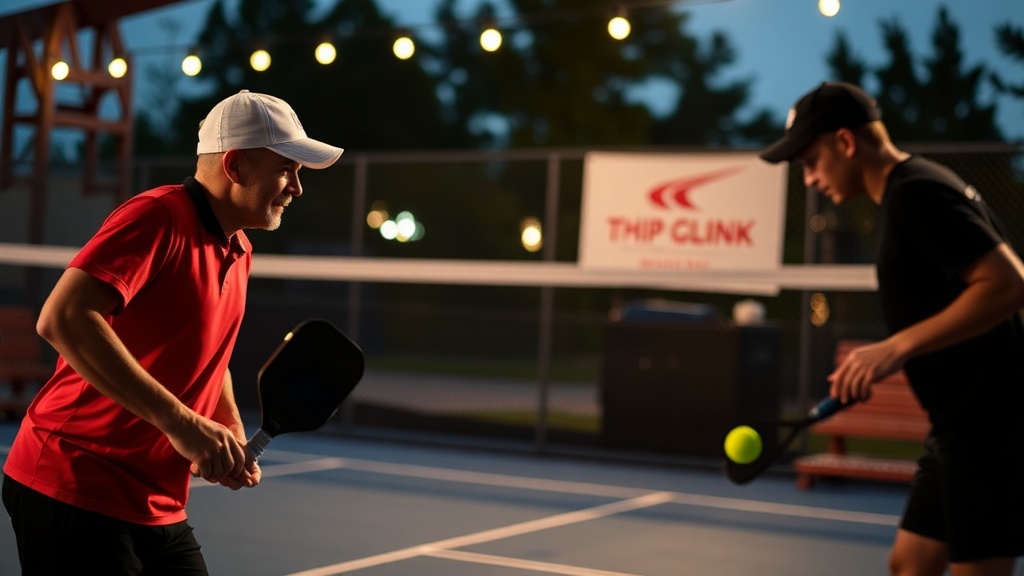
Master Your Pickleball Game: A Complete Training Guide for All Levels

This guide covers everything from foundational footwork drills to advanced match strategy. Whether you're stepping onto the court for the first time or looking to break through a competitive plateau, these training principles apply across all skill levels. Pickleball demands more than just hand-eye coordination—it requires tactical thinking, physical conditioning, and the right equipment. By following this structured approach, you'll build the skills and confidence needed to compete at any level.
What Are the Fundamental Skills Every Pickleball Player Needs?
The dink, the third shot drop, and proper court positioning form the backbone of competitive pickleball. Master these three elements, and everything else becomes easier.
The dink—those soft, controlled shots at the net—keeps opponents off-balance and forces errors. It's not about power. It's about patience and placement. Players who rush their dinks typically hit them into the net or send them long. Take an extra split-second. Keep your paddle face open. Aim for your opponent's feet.
The third shot drop might be the most important shot in pickleball. After the serve and return, this shot transitions you from the baseline to the kitchen line (the non-volley zone). A well-executed third shot drop arcs high over the net and lands softly in the kitchen, neutralizing your opponent's advantage and letting you move forward. It's tricky—worth practicing hundreds of repetitions.
Court positioning matters more than most beginners realize. In doubles (the dominant format), both partners should work to reach the kitchen line together. That said, don't abandon your partner by rushing forward alone. Stay connected. Move as a unit.
How Can Beginners Improve Their Pickleball Game Quickly?
Focus on consistency over power, practice the soft game daily, and play against opponents slightly better than you.
Here's the thing about power—it masks bad technique. Beginners who swing hard often develop habits that limit their ceiling. Instead, focus on getting the ball over the net and keeping it in play. Rally length wins points at every level, but especially when you're learning.
The soft game separates intermediate players from beginners. Spend twenty minutes each practice session just dinking. Stand at the kitchen line with a partner and see how many exchanges you can string together. Start with ten. Then twenty. When you can sustain a fifty-shot rally, your control has improved significantly.
Playing up matters. Seek out games with players who'll challenge you—not crush you, but push you. Tucson's Tucson Pickleball Association runs open play sessions where skill levels mix. It's nerve-wracking at first. The pace feels faster. The pressure feels real. But that's where growth happens.
Drill Recommendations for Rapid Improvement
- Wall drills: Find a flat wall and practice forehand and backhand volleys. The ball comes back quickly—you'll develop faster reflexes.
- Target practice: Place cones or towels in the kitchen and practice landing your third shot drops on them.
- Solo serves: Practice fifty serves focusing on depth and placement, not just getting it in.
- The "skinny singles" drill: Play singles using only half the court width. It improves court coverage and shot accuracy.
What Equipment Do You Need for Serious Pickleball Training?
A quality paddle, proper court shoes, and a portable net for practice sessions at home will set you up for consistent improvement.
Not all paddles are equal. The Wilson Echo offers excellent control for beginners learning the soft game. The Selkirk Vanguard 2.0 provides more power for intermediate players ready to add aggression. The Joola Ben Johns Hyperion—used by the world's top player—delivers premium feel and spin potential. Expect to spend $80-200 for a paddle that'll last several seasons.
Running shoes won't cut it. Court shoes have lateral support that prevents ankle rolls during quick direction changes. The ASICS Gel-Rocket series works well for pickleball's stop-and-start nature. The K-Swiss Express Light is another solid option specifically designed for pickleball movement patterns.
| Equipment | Budget Option | Premium Option | What to Look For |
|---|---|---|---|
| Paddle | Onix Z5 ($70-90) | Selkirk LUXX ($250+) | Weight (7.5-8.5 oz), grip size, face material |
| Shoes | ASICS Upcourt ($60-75) | Tyrol Striker Pro ($140) | Lateral stability, non-marking sole, cushioning |
| Balls | Dura Fast 40 (outdoor) | Franklin X-40 (outdoor) | Seam construction, hole pattern for your climate |
| Net | Oncourt Offcourt Mini Net ($80) | Dominator Pro ($400+) | Regulation height (36" sidelines, 34" center), portability |
Worth noting: paddles have different "sweet spots." Larger sweet spots forgive off-center hits. Smaller sweet spots reward precision with more power. Beginners benefit from forgiving paddles. Advanced players often prefer smaller sweet spots for maximum control.
How Should Training Differ by Skill Level?
Beginners need repetition and fundamentals. Intermediate players need strategic decision-making. Advanced players need match simulation and mental preparation.
Beginners (rating 1.0-2.5) should spend 70% of practice time on technical skills—serves, returns, dinks, and volleys. The remaining 30% goes to actual play. Drills beat games at this stage. You need the repetitions to build muscle memory.
Intermediate players (rating 3.0-3.5) need to shift focus. Technical work drops to 40% of practice time. Strategy and positioning take over. Study the "stack" formation in doubles. Learn when to speed up the ball versus when to reset with a soft shot. The USA Pickleball Association offers excellent resources on competitive positioning and tournament play.
Advanced players (rating 4.0+) live in the margins. A single percentage point improvement in third shot drop consistency wins matches. Training becomes mental as much as physical. Video analysis helps—record your matches and watch for patterns. Do you miss long on pressure shots? Are you predictable with your serve placement?
What Does an Effective Weekly Training Schedule Look Like?
Three to four sessions weekly combining drilling, open play, and physical conditioning produces steady improvement without burnout.
The catch? Most recreational players overplay and under-train. They show up for open play four times a week but never isolate specific skills. That's fun—it's not training.
A balanced week might look like this:
- Monday: Technical drills (45 minutes) focusing on weak areas
- Tuesday: Open play with specific match goals (e.g., "hit ten successful third shot drops")
- Wednesday: Rest or light conditioning
- Thursday: Partner drilling with structured games
- Friday: Open play or league match
- Saturday: Longer session mixing drills and games
Physical conditioning supports pickleball performance. Lateral movement, core stability, and quick reflexes matter more than raw strength. The Mayo Clinic recommends lateral lunges, single-leg balance work, and reaction ball drills for racquet sports athletes. Ten minutes of targeted conditioning before or after play pays dividends.
Common Training Mistakes to Avoid
Watch for these pitfalls that slow progress:
- Ignoring the soft game: Everyone wants to hit winners. Winners come from setting up the point with patient dinking.
- Practicing only with worse players: Your game rises or falls to the level of competition. Find challenging opponents.
- Skipping footwork: Hand skills get the glory. Footwork wins the points. Stay on your toes—literally.
- Using the wrong ball for conditions: Outdoor balls (like the Dura Fast 40) crack in cold weather. Indoor balls (like the Jugs) don't perform outdoors. Match your equipment to your environment.
"The best players aren't the ones who hit the hardest shots. They're the ones who never miss the easy ones." — Anonymous
Training for pickleball rewards consistency over intensity. Small, regular improvements compound over months. Track your progress—note your rating, your weaknesses, your wins and losses. The data reveals patterns your memory might miss.
Pickleball's popularity keeps growing because it's accessible but deep. You can learn the basics in an afternoon. You can spend years mastering the nuances. The training never really stops. That's the appeal.